
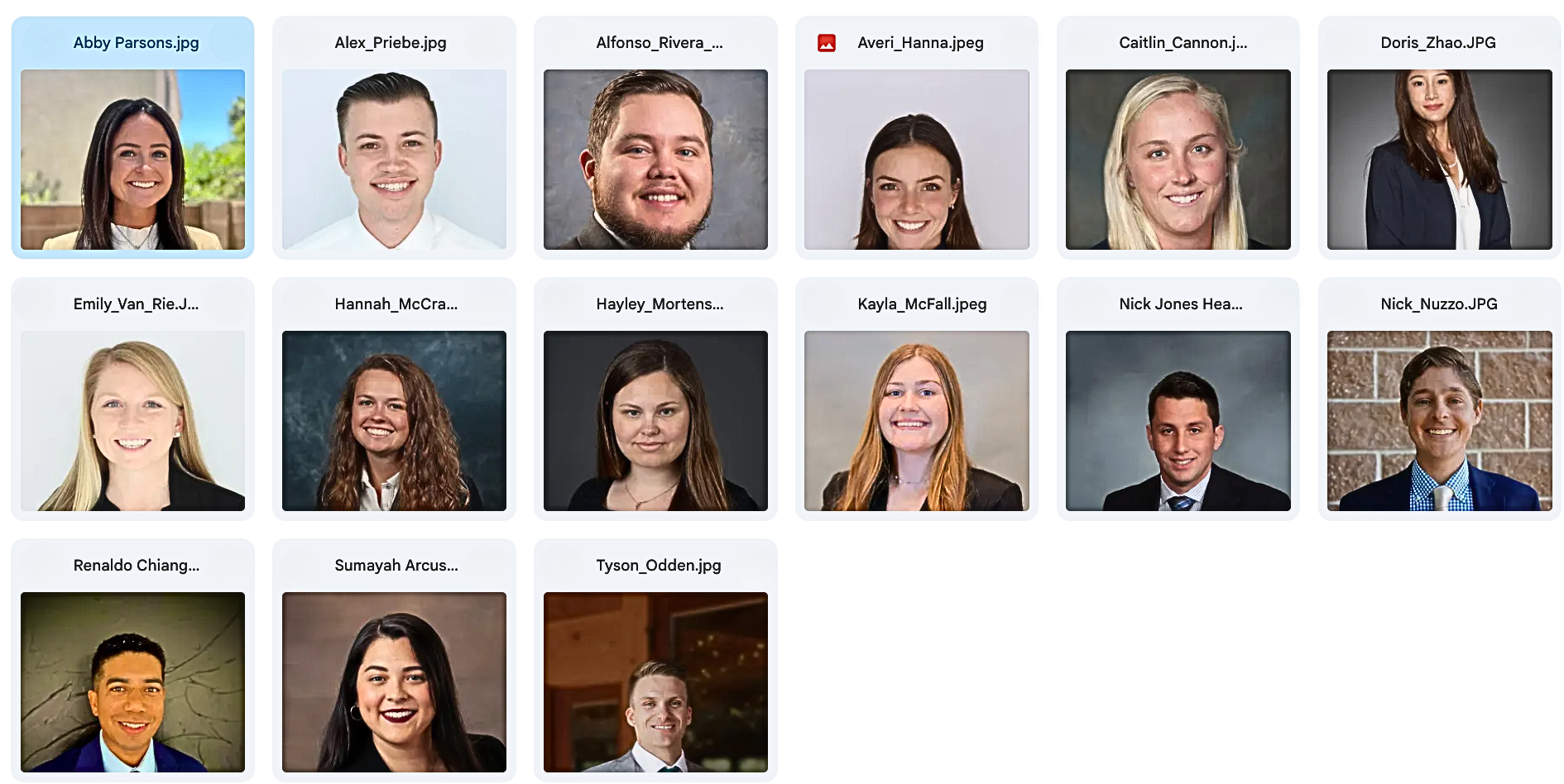
The PGA of America recently announced its 2025–26 PGA LEAD Class, naming 15 professionals from across the country to join its flagship leadership development program. Designed to mentor and prepare members for volunteer leadership at local, sectional, and national levels, PGA LEAD has been heralded as a pipeline for shaping the Association’s future decision-makers. Yet, despite the program’s diversity-focused mission, the glaring omission in this year’s class is once again the complete absence of African American PGA Professionals.
The absence of African American professionals in this year’s PGA LEAD class may not have been intentional, but the optics are troubling. If the PGA of America wants to truly build a diverse and inclusive leadership pipeline, it must not only recruit but ensure representation across all of its flagship programs. Until then, the disconnect between public commitments and actual progress will continue to raise difficult, and very valid, questions.
This raises a difficult but necessary question: how can the PGA of America continue to emphasize its commitment to inclusion when one of the most visible pathways for leadership remains without African American representation?
Since its launch in 2016, PGA LEAD has highlighted professionals from various backgrounds and this publication has covered several of them, such as Clay Myers (2022-2023), Langston Frazier and Brandon Howard (2023-2024). However, African Americans remain almost invisible in the program’s history. Out of more than 30,000 PGA Professionals nationwide, fewer than 150 identify as African American—a figure that accounts for less than 0.5%. In comparison, African Americans represent nearly 13% of the U.S. population. That disparity points to a much deeper issue: the pipeline of access and advancement for Black professionals in golf remains severely underdeveloped.
While the PGA has made strides through initiatives like PGA WORKS, HBCU partnerships, and junior outreach programs, critics argue that leadership development is where meaningful change should be most visible. Without African Americans in programs like PGA LEAD, the chances of seeing them in influential roles—such as section presidents, national committee members, or even the national board—remain slim.
According to an August 26, 2025 PGA of America press release announcing the 2025-2026 PGA LEAD Class:
“The primary goal of PGA LEAD is to establish a deep bench of PGA of America Members who are prepared to rise through the volunteer leadership ranks of the Association.
The 12-month program includes virtual monthly training on topics such as board governance and culture, business metrics, pillars of leadership and personal branding. Additionally, the cohort meets twice a year in person for networking and to witness governance in action at Association functions. The conclusion of the program includes a final project presented to the Association’s committees and board of directors.“
“PGA LEAD is an invaluable program for our Association, helping talented PGA of America Golf Professionals prepare to serve and make a difference in both their communities and the Association,” said PGA of America President and Master Professional Don Rea Jr., PGA Owner/Operator of Augusta Ranch Golf Club (Arizona). “I love seeing the growth of each participant as they progress through the program and the success of alumni who have gone on to serve in leadership roles.”
Leadership positions held by PGA LEAD alumni include one National Board of Directors member and numerous PGA Section presidents, Section vice presidents, Section secretaries, 20 Section board members and 30 national committee members.“
Taking a look at the numbers and why it matters.
Representation by the Numbers
- Total PGA Professionals (2025): Over 30,000
- African American PGA Professionals: Fewer than 150 (under 0.5%)
- U.S. Population Identifying as Black/African American: ~13%
- African American PGA LEAD Participants Since 2016: Fewer than 10
- Leadership Outcomes of PGA LEAD Alumni: 1 National Board member, 20+ section board members, 30 national committee roles
Why It Matters
- Pipeline Impact: Without inclusion at this level, African American professionals face fewer opportunities to influence the PGA’s future.
- Role Models: Lack of representation discourages young Black golfers from pursuing the profession.
- Credibility: DEI commitments risk appearing performative if African Americans remain excluded from the most visible leadership pathway.
Until African American PGA Professionals are fully and visibly included in programs like PGA LEAD, the Association’s stated commitment to diversity and inclusion will continue to feel more like rhetoric than reality. The PGA of America’s commitment to diversity will be judged not only by statements but by tangible results. Without African American representation in the 2025 PGA LEAD class, questions about access, equity, and opportunity remain pressing. The industry must ask whether current initiatives are sufficient, or if stronger, more intentional efforts are required. True inclusion will be realized only when leadership programs reflect the full diversity of golf’s professionals.
The 15 PGA of America Golf Professionals selected for leadership development program include:
- Sumayah Arcusa, PGA – Teaching Professional – The Lab 301 – Bowie, Maryland – Middle Atlantic PGA Section
- Caitlin Cannon, PGA – Teaching Professional, Atlanta Athletic Club – Atlanta, Georgia – Georgia PGA Section
- Renaldo Chiang, PGA – Director of Golf, Dallas Athletic Club – Dallas, Texas – Northern Texas PGA Section
- Averi Hanna, PGA – Assistant Golf Professional & Director of Women’s Programming, The Country Club – Clinton, Ohio – Northern Ohio PGA Section
- Nick Jones, PGA – Lead Assistant Golf Professional, Hallbrook Country Club – Overland Park, Kansas – Midwest PGA Section
- Hannah McCrabb, PGA – Lead Assistant Golf Professional, NCR Country Club – Dayton, Ohio – Southern Ohio PGA Section
- Kayla McFall, PGA – Assistant Golf Professional Women’s Programming Lead, San Antonio Country Club – San Antonio, Texas – Southern Texas PGA Section
- Hayley Mortensen, PGA – Golf Shop Manager, Willamette Valley Country Club – Canby, Oregon – Pacific Northwest PGA Section
- Nicholas Nuzzo, PGA – Assistant Golf Professional, TPC Sawgrass – Ponte Vedra Beach, Florida – North Florida Section
- Tyson Odden, PGA – Head Professional, Glendale Country Club – Bellevue, Washington – Pacific Northwest PGA Section
- Abby Parsons, PGA – Head Professional, Pinnacle Peak Country Club – Scottsdale, Arizona – Southwest PGA Section
- Alex Priebe, PGA – First Assistant Golf Professional, Ancala Country Club – Scottsdale, Arizona – Southwest PGA Section
- Alfonso Rivera Jr., PGA – Assistant Golf Professional, Bookcliff Country Club – Grand Junction, Colorado – Colorado PGA Section
- Emily Van Rie, PGA – Head Golf Professional, Quincy Country Club – Quincy, Illinois – Gateway PGA Section
- Doris Zhao, PGA – Lecturer, University of Nebraska PGA Golf Management – Lincoln, Nebraska – Nebraska PGA Section