
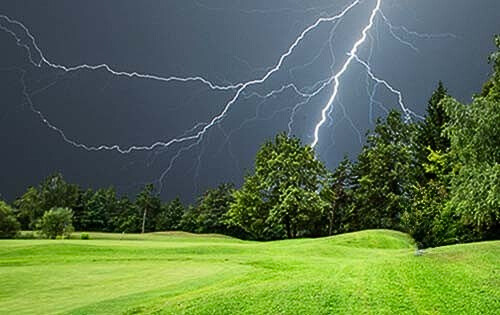
Simon John Mariani, a 28-year-old golfer, tragically passed away after being struck by lightning while playing at Ballyowen Golf Club in Hardyston, New Jersey. The incident occurred during a tournament on July 8, 2025, when a sudden and severe storm moved through the area. Mariani was taken to a nearby hospital in critical condition but sadly died six days later on July 14.
The lightning strike hit as Mariani and others were making their way off the course. Emergency crews responded quickly and transported him to the hospital, where he remained in intensive care. Despite efforts to save him, the injuries he sustained were too severe.
Mariani was remembered as a passionate golfer who was deeply involved in the local sports community. Friends, family, and fellow golfers expressed their heartbreak and described him as kind, dedicated, and full of promise. His death serves as a sobering reminder of the dangers of sudden weather changes, particularly lightning, on golf courses.
Officials have urged golfers and course operators to pay close attention to weather alerts and take shelter immediately when storms approach. Mariani’s death marked a devastating moment for the golf community and highlighted the importance of safety precautions during outdoor sporting events.
As the community mourns his loss, many have called for improved safety protocols and education to help prevent similar tragedies in the future.
While lightning fatalities on golf courses are relatively rare, they still account for approximately 5% of all lightning-related deaths in the United States—a striking statistic that underscores the risks involved. About 1 in 600,000 people are hit by lightning in their lifetime, and golf courses, with their open terrain and lack of shelter, present unique vulnerabilities.
In the U.S., the average number of lightning deaths per year is around 86. Historically, golf is responsible for about 4–5% of these fatalities, according to long-term data analysis. Worldwide, lightning injuries affect around 240,000 people annually, resulting in nearly 24,000 deaths. Even more troubling, up to 80% of survivors suffer lasting health problems such as neurological damage, hearing loss, or cataracts.
Golf clubs across regions prone to thunderstorms are increasingly adopting lightning detection systems, sirens, automated outdoor alert systems, and mobile notifications to protect patrons and staff. Some courses integrate these alerts with their cart or club apps, issuing visible alarms and evacuation instructions. Yet, surveys show that while around 70% of clubs have some weather safety systems in place, only 58% consider them truly effective.
When storms develop, many experts recommend the “30-second flash-to-bang rule.” If the time between seeing lightning and hearing thunder is 30 seconds or less, it means the storm is six miles away—and it’s time to seek shelter. Safety officials emphasize that golf carts and open shelters do not provide protection; instead, individuals should move into fully enclosed buildings or metal vehicles (without touching the metal). Trees, metal fences, clubs, and water should be avoided.
Liability concerns also loom for golf course operators. If clubs fail to implement or enforce reasonable warning protocols, or if they delay suspending play despite clear risks, they may face legal consequences. Municipalities and private clubs increasingly face scrutiny over weather preparedness and course evacuation procedures.
Mariani’s death is a sobering reminder of the unpredictable forces at play. Thunderstorms can form suddenly, and lightning may strike even when skies appear clear. His passing highlights the need for both golfers and operators to take preventive measures seriously. Awareness, preparation, and swift action can save lives.