
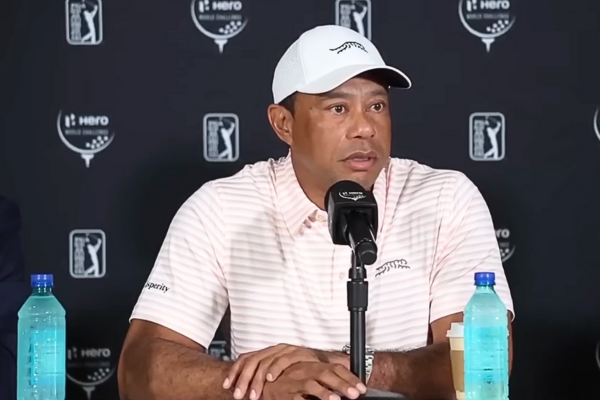
Tiger Woods addressed the media for the first time in several months during his annual press conference at the Hero World Challenge in the Bahamas, an event won by Hideki Matsuyama. During the session, Woods covered a wide range of topics, prompting different reactions from those following the conversation closely.
Most fans of woods may probably be most intrigued by Woods’ role in shaping the PGA Tour’s future vision. For instance, the unique pairing of Woods, who serves as the ultimate insider with decades of institutional experience, and Rickey Rolapp, who comes from outside the traditional golf world and brings little golf-specific background. Fans may find this combination of perspectives especially fascinating as they attempt to chart what the Tour becomes next.
Fans may also be surprised to know how deeply the press conference shifted toward potential schedule changes. It may seem to some that Woods’ comments give the rumors surrounding a revised Tour calendar a new level of credibility. At the same time, many may have found Woods’ health update both expected and disappointing, especially considering how many fans seemingly don’t believe Woods can contend regularly anymore, yet still hopes to see him return healthy enough to compete a few times a year. With the Masters approaching, anticipation always builds.
At the press conference, most striking was Woods’ comments about YouTube. Woods suggested that the unlimited archive of swings online is accelerating the development of young golfers. This as another example of Woods thinking about the game on a different plane, much like past instances when Woods casually detailed the spin variations needed for certain chip shots at Augusta National.
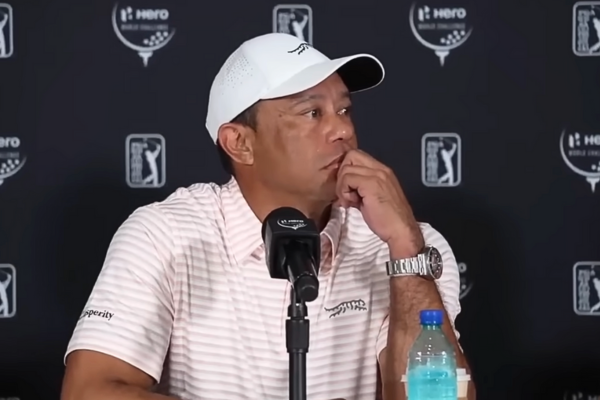
Woods also acknowledged, in his position as Chair of the Future Competitions Committee, that the Tour is evaluating a shorter schedule designed to avoid conflicts with the NFL and possibly debuting in 2027. Although he offered few specifics, the idea has fueled ongoing discussions about how the Tour might evolve. The biggest challenge perhaps lies in the complexity of navigating numerous stakeholders and longstanding agreements with individual tournaments. He compared the process to trying to turn a massive ship.
Although many fans would enjoy a streamlined schedule featuring the top seventy or so players competing in about twenty events, including majors, which would create consistency, storylines, and rivalries, this raises questions about the middle tier of players, the size of Tour membership, the role of the Korn Ferry Tour, and the fate of smaller events. It is worth considering that while the current system is imperfect, sorting out a solution, is challenging and would bring sweeping change.