
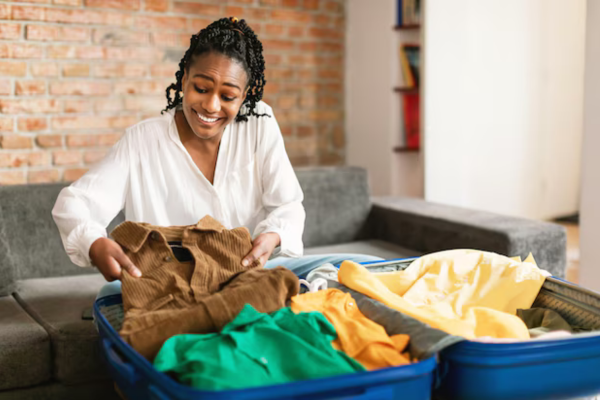
So, you’re getting ready for a trip to Ghana, but you don’t know exactly what to pack. Smart packing is important for this trip because the weather, culture, and travel rules are different from what many travelers are used to.
To make your trip wonderful, we have created this Ghana packing list to help you get fully prepared. It covers everything from entry requirements for Ghana to clothing, health items, and finances, so you can’t forget anything.
You can use this easy travel to Ghana checklist, whether it’s your first visit or you’ve been before; it’s made to help every traveler pack with confidence.
Ghana Packing List: Are You Bringing the Right Essentials?
Before you fly to Ghana, Africa, make sure you pack the right things. This list covers everything you need to bring for a smooth and comfortable trip.
Important Travel Documents
Before you go on any trip, you must have the right travel documents. These papers help you enter the country and avoid any delays or problems.
- Passport: Your passport must be valid for at least 6 more months from your travel date. This is needed for all Ghana trips for entering and identification.
- Visa: You’ll need a visa to enter the country unless you’re from a visa-free nation. Get this in advance from a Ghanaian embassy or apply online if your country allows it.
- Yellow Fever Vaccination Certificate: One of the main requirements for visiting Ghana is proof of yellow fever vaccination. You have to show this document at the airport to enter the country.
- Travel Insurance: Make sure to get travel insurance. It helps you pay for medical expenses or lost items. It’s like a precaution for you if anything goes wrong during your trip.
- Photocopies of All Documents: Make extra copies of your passport, visa, and insurance. Keep them in a separate bag or online in case you lose the originals.
- International Driving Permit: If you want to rent a car to travel to Ghana from the USA, you’ll need this permit along with your regular license.
Luggage Bags
- Be sure to check luggage allowances and weight limits that are set by your airline!
- Soft hold-all bag for your excursions to hold your camera, wallet, water bottle, mosquito spray, lip balm, sunscreen, etc.
- Lightweight backpack if traveling via public transit to hold extra clothing, scarf, toiletries, etc.
Clothing
- Smart-casual outfit – 1 set, pants/skirt/dress/shorts. White clothing is not recommended because it may be difficult to keep clean, as your tours can encounter many dusty places. Loose-fitting tops/bottoms help you stay cool and protect your arms/legs from mosquitoes and sunburn, but remember, it will be humid!
- Outdoor summer clothing in natural fibers, think cotton/linen for 8-10 days = 4/5 sets of clothing—remember you can sink wash & re-wear.
- Light-weight cotton (long pants-for cool seasonal evenings)
- Comfortable walking shoes/sandals/sneakers. Flip-flops, easy to wear at the beach, in the shower, or when relaxing. They’re light and don’t take up much space.) – 1 pair each
- Undershirt – Not to keep you warm, but to keep the sweat from showing so much.
- Underwear
- Swimwear & swim cap: Only wear this at the beach or poolside. Pack a snorkel if you wish!
- Sarong or multi-purpose cotton wrap-around: Useful also as sunscreen or dust cover for cameras.
- Towel / face cloth / bandana / handkerchief
- Rain can come suddenly, especially in the rainy season (April to June and a minor season from September to November) so bring a plastic raincoat or poncho, and umbrella. Roads can get muddy or flooded so waterproof footwear helps you walk around comfortably in wet conditions.
- Hat/cap
- Sunglasses
- Binoculars
Toiletries
- Toothbrush, toothpaste, soap, shampoo, conditioner, deodorant, shaver, brush & comb, moisturizing cream, decongestant, anti-fungal cream.
- Sunscreen lotion/sunblock, lip-aid and floss
- Prescription drugs/small private medical kit (pain killers, plasters, anti-septic spray) / contraceptives / feminine hygiene products
- Contact lenses / lens fluid / spare glasses
- Malaria tablets
- Insect repellent (containing DEET is best)
Hair Care & Grooming
- Ghana has many hair braiding salons and barbershops at more than half the price of these services in the USA. So, if you are interested, your tour guide will help you locate an excellent service provider during your free time or on your free day, just let us know ahead of your visit.
Papers
- Passport / visas / Yellow Fever Card / flight and ground travel documents
- Ziplock Bags: Protect your electronics or keep wet clothes separate. These are super handy for organization.
- Snacks or Energy Bars: Great for long bus rides, hikes, snacks in your room, etc.
- Guidebook or Offline Map App: The Internet may not always work. Use a guidebook or apps like Karta GPS, and HERE WeGo that work without Wi-Fi.
- Notebook and Pen: Write down directions, phone numbers, or journal your experience. It’s a simple but useful tool.
Money & Financial Essentials
- The local currency in Ghana is the Cede. You can get cedis from ATMs or exchange centers in cities.
- Credit/Debit Card: Cards are accepted in big hotels and stores.
- If you plan to use credit cards during your trip, be sure to contact your bank/financial institution to let them know that you will be traveling to Ghana. Visa works better than Mastercard and American Express in most places.
- Money Belt or Hidden Pouch: Keep your cash and important items safe under your clothes, especially in crowded areas.
- Small Coin Purse: Local markets and small shops deal in cash. A small purse helps you carry coins and small bills.
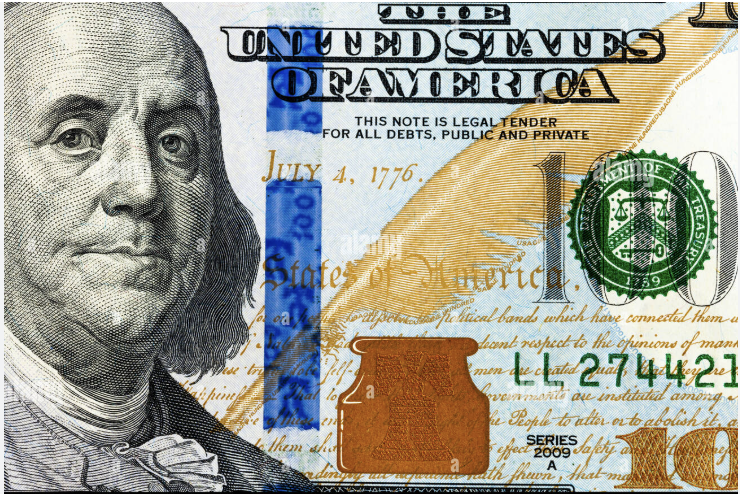
- IMPORTANT!! BRING ONLY BLUE U.S. DOLLARS BILLS IN ONE HUNDRED DOLLAR INCREMENTS. NO OTHER INCREMENTS ARE EXCHANGEABLE AT GHANA BANKS. Do not bring 50’s, 20’s, 10’s, or 5’s. These bills are not exchangeable. Only bring BLUE U.S. 100’s. (See image below)

- See current US Dollar to Ghana Cede exchange rates HERE.
U.S. money can be exchanged at the local Ghana bank or at your hotel to use for your personal expenses during your trip, i.e., tips & gratuities. Your tour guide will help you locate this. Do not bring Travelers’ cheques as they are difficult to use, if at all.
Electronics
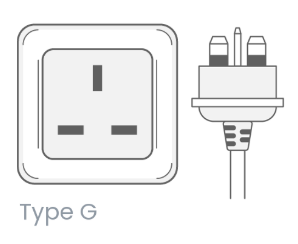
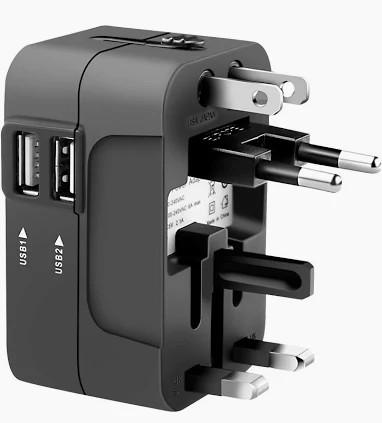
Ghana uses TYPE G electrical outlets, so be sure to bring one or more international adapters so you can recharge your phone, laptop, power bank, earplugs, headphones, etc. (see below)
Your Phone
Before your depart the USA, Download WhatsApp HERE to make FREE phone, text, and video calls inside/outside of Ghana. Or, check with your cell phone provider and ask about their international data plans. Or, if you wish, upon arrival in Ghana your tour guide will help you acquire a SIM card for your android phone.
Ghana Map / Weather
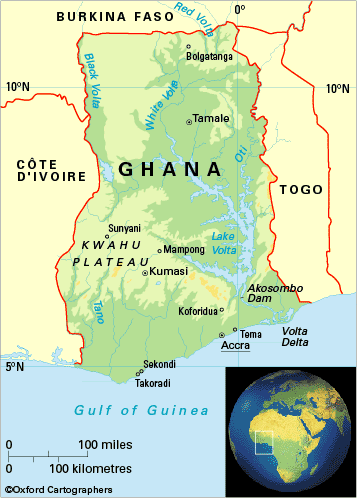
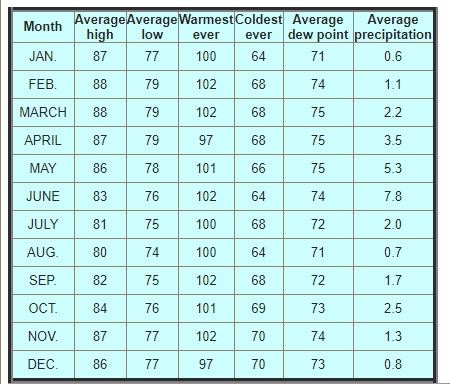
Don’t forget these…
- Prescription Medications: Bring enough medicine for your whole trip, in original packaging. Also carry a doctor’s prescription if needed.
- Antimalarial Medication: Malaria is common in Ghana. Talk to your doctor before the trip about pills to prevent it.
- Insect Repellent: Mosquitoes can carry diseases like malaria. Use repellent with DEET or picaridin to keep them away.
- Sunscreen: Ghana has strong sun, so use sunscreen (SPF 30 or higher) to avoid sunburn, especially during outdoor trips.
- Hand Sanitizer and Antibacterial Wipes: Clean your hands when there’s no water or soap available, especially before eating.
- Oral Rehydration Salts: These packets help you stay hydrated if you get sick or have diarrhea. Just mix with clean water.
- Basic First-Aid Kit: Include items like band-aids, painkillers, allergy pills, and antiseptic. You might not find what you need locally.
- Toiletries: Bring your daily hygiene items like toothbrush, toothpaste, deodorant, soap, and shampoo. Travel sizes are best.
- Tissues or Toilet Paper: Public toilets during your tours often don’t have paper. Keep tissues or a small roll of toilet paper in your bag, just in case.
Optional – Bring an extra bag of goods to donate

If you desire to bring a bag of items to donate to the local community schools of Prampram, the community where your travel leader Debert Cook lives in Ghana, we will accept your donation bag upon arrival at the airport and your tour guide will help you to personally give the items to the school superintendent during your Prampram visit. Items you may consider donating include:
- Electronics
- Mobile phones
- Laptops
- cameras
- Sports equipment and clothing for schools
- Football (soccer) jerseys, shorts, socks
- Balls, gloves
- School supplies
- Pencils, pencils and crayons
- A-B-C and 1-2-3 for beginning readers
- Children’s books
- Games, dolls, toys and flashcards (for any age)
- Dry-erase markers, permanent markers
- Art & crafts
- Maps, inflatable globes
- It is cheaper to purchase basic school supplies in Ghana, injecting money into the local economy. We can help you do this while you are here and arrange for you to donate the supplies to a local school in Prampram. Just let us know!
I hope this list has been helpful for you while you plan for your upcoming trip. For any additional questions, contact your travel leader Debert Cook at (212) 571-6559.