
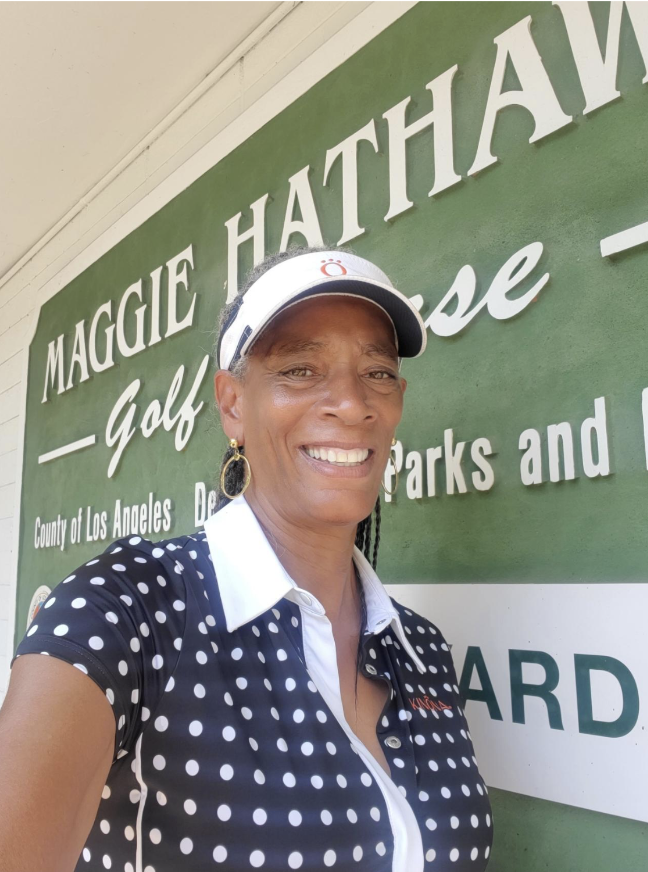
The long-anticipated reopening of Maggie Hathaway Golf Course in South Los Angeles represents far more than the return of a nine-hole, par-3 community facility. After a multi-million-dollar renovation project designed to modernize the course, expand youth programming, and reimagine the space as a community hub, the reopening signals renewed investment in a historic site rooted in inclusion. The nearly $20 million redevelopment included a redesigned driving range, expanded practice areas, a new clubhouse, and youth-centered programming spaces aimed at engaging underserved communities.
For decades, Maggie Hathaway Golf Course has stood as a symbol of access in a sport that has not always been welcoming. Named after civil rights advocate Maggie Hathaway—who fought against segregation in golf—the course has long served as a gateway for Black golfers in Los Angeles. Today, as the facility reopens with a vision toward equity and youth development, questions about who benefits—and who leads—are once again at the forefront. That tension is captured more directly in the voice of long-time resident Angelique Johnson.
A Career Rooted in Community
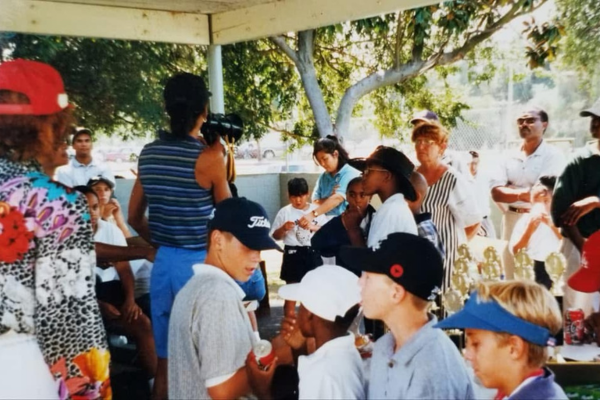
Angelique Johnson’s journey in golf spans more than three decades and is deeply intertwined with the very communities that Maggie Hathaway Golf Course was designed to serve. Born and raised in Los Angeles, Johnson began her career in 1990 at Chester Washington Golf Course, working as a starter. From those early days managing tee times and interacting with players, Johnson steadily built a career that would touch nearly every aspect of the golf industry—from grassroots youth development to executive leadership.
Her early work with the LPGA Amateur Athletic Foundation placed her alongside respected industry figures such as André Martin, LPGA, helping to establish junior golf programming that would become foundational in Southern California. Those efforts were not just incremental—they were transformative.

At a time when access to golf for minority youth was limited, Johnson and her colleagues helped design and implement intercity programs, leagues, and tournaments that introduced thousands of young people to the game. The arrival of the LPGA and its affiliated programming in Los Angeles in 1990 marked a turning point, laying the groundwork for what is now a thriving junior golf ecosystem.
Johnson was not simply a participant in that movement—she was one of its architects.
Building a Legacy in Golf Leadership
Over the years, Johnson’s resume has reflected both depth and range. As Founder and Chief Engagement Officer of Angelique on the Links (AOTL), she created a platform dedicated to connecting golfers and fostering inclusion across Southern California. Through strategic partnerships, corporate sponsorships, and high-profile events, she helped raise more than $500,000 for youth development programs.
Her leadership extended into operations as well. As Head Golf Professional at Chester Washington Golf Course from 2012 to 2018, she managed a high-volume municipal facility with more than 50,000 annual rounds. She oversaw staff development, retail operations, tournament programming, and community outreach—all while maintaining a strong focus on growing the game at the local level.
Earlier roles included serving as Interim Executive Director of First Tee of South Los Angeles, where she stabilized operations during a leadership transition and strengthened fundraising efforts. As Director of Golf for the Young Golfers of America Association, she introduced more than 3,000 disadvantaged youth to the sport. The former LPGA member also owned and operated the Junior Golf Tournament Association, organizing competitive opportunities across multiple counties.
Her work has consistently centered on access, mentorship, and community impact—particularly for underserved populations. “In 2018, I sued American Golfer for racial discrimination and harassment. They settled with me and paid me out—not much, but it lasted for a while. Since then, I have been blackballed in the golf industry. If you go on my LinkedIn page, you will see that I told them I had a system that could help golf courses save money, but no one, not one golf course replied to me.”
The Importance of Representation
Despite decades of experience and measurable success, Johnson says the current landscape of golf leadership in Los Angeles raises serious concerns.
“I’m very disappointed with the Los Angeles County Parks department,” says resident and avid golfer Angelique Johnson. “They have really segregated the department with Hispanics and white people, and no African Americans are involved with LA County—other than the director, Vincent Johnson, appointed in February 2025, who was an outside gentleman from Portland Oregon, so I’m not really gung-ho about the whole Maggie thing….They’re just edging Black people out of the game by taking them out of leadership roles.”
Her comments point to a broader issue that has long challenged the sport: representation at the decision-making level. While participation among diverse groups has improved in recent years, leadership roles—particularly in public golf systems—often lag behind.
In Los Angeles County, where public golf courses serve as critical entry points for new players, leadership diversity carries significant implications. Decisions about programming, hiring, and community outreach directly affect who feels welcome—and who ultimately participates.
A Personal Connection to Maggie Hathaway
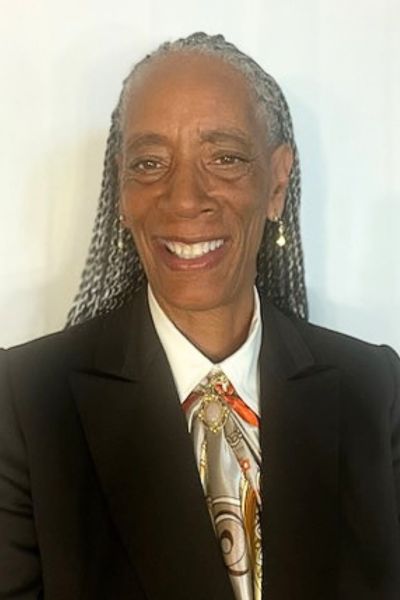
For Johnson, the reopening of Maggie Hathaway Golf Course is not just a professional concern—it is deeply personal, as she proclaims to be a direct protégé of the late Maggie Hathaway.
“How many Afro American women do you know in any high management in golf! The irony of it all was that I was mentored by Maggie Hathaway. I spoke to Maggie Hathaway every morning at 7 o’clock, for 20 years she was my mentor, my best friend, whom I have known since I was five-years old, and she always had my back before her passing (September 2021). She was my shield and my rock.”
That mentorship shaped Johnson’s career and her commitment to staying in the community. While opportunities existed elsewhere—particularly at private clubs—she chose a different path.
“The only reason why I stayed in the hood to teach and not try to go to country clubs when I got my LPGA credentials was because Maggie Hathaway asked me to stay in the community. Where else would they get good golf information from another person that looks like them—that was the plan.”
Her decision reflects a philosophy that has guided much of her work: representation matters not only in leadership, but also in instruction, mentorship, and visibility.
“Yes, I’m out here struggling trying to scrape up lessons after over 30 years in the industry. I’ve applied for jobs. I even scored a 95 on their test, went for an interview, but they already knew who they wanted to hire. I’m just mad and upset, and I’m feeling like Wendy Boyd right now because I can’t even afford to help feed my family. Boyd committed suicide and left a letter detailing her frustration with finding work in the golf industry. “It has been rough. Yesterday was probably one of my first full days of giving any types of lessons…after 30 years and the Los Angeles community no one stands up for me, but I stand up for everyone. I am sick and tired of being sick and tired!”
“I sent my resume to the Southern California Golf Association (SCGA) in January 2024, because they are looking for an executive director for their junior golf program. I haven’t heard anything back from them though, and they haven’t chosen anyone yet!”
The Role of Maggie Hathaway Golf Course
The renovation of Maggie Hathaway Golf Course was designed with equity in mind. Located in a densely populated area of South Los Angeles with limited green space, the course serves as a rare recreational resource. The redevelopment aims to transform it into a multi-use community hub, incorporating youth enrichment programs, environmental sustainability features, and expanded learning opportunities. Historically, the course has played a significant role in introducing Black and Latino youth to golf. Its accessibility, affordability, and community-centered mission have made it a cornerstone of grassroots development.
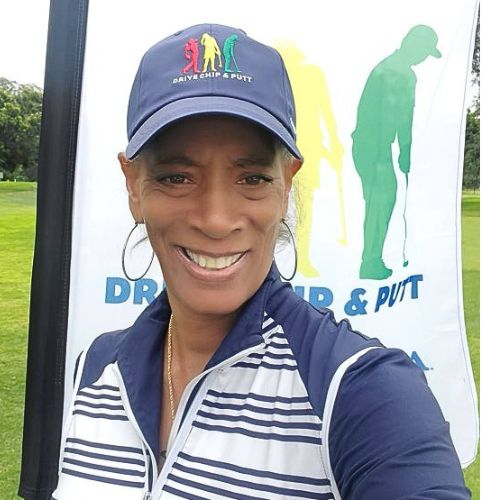
Efforts tied to the renovation—including partnerships with organizations and expanded programming—are intended to further that mission. However, as Johnson and others have pointed out, infrastructure alone does not guarantee equity. Leadership, hiring practices, and community engagement remain critical factors.
Minority Participation in Golf
Nationally, golf has made strides in diversifying its player base, but disparities persist. Black participation in golf remains disproportionately low compared to the overall population, particularly at competitive and professional levels. In Los Angeles County, public courses like Maggie Hathaway and Chester Washington have historically served as entry points for minority golfers. Programs such as The First Tee, LPGA initiatives, and local junior leagues have helped introduce the game to thousands of young players.
Johnson’s own contributions to these efforts are significant. Through her work with the LPGA Amateur Athletic Foundation and other organizations, she helped establish programs that continue to influence the region’s junior golf landscape. Yet challenges remain. Access to equipment, instruction, and consistent playing opportunities can limit participation. Equally important is the presence of mentors and role models who reflect the communities being served.
To connect with Angelique Johnson, follow her on LinkedIn at https://www.linkedin.com/in/angelique-y-johnson-113ab2a2/ or on Facebook at https://www.facebook.com/angeliquepargolf