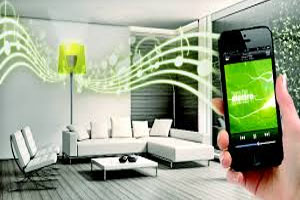
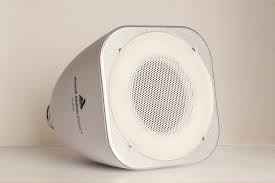
Get ready for a sound system like none other with the AwoX StriimLIGHT. Your friends and family will wonder how you ever discovered this great item that uses Wi-Fi to light up your house and provides great-sounding music at the same time!
How does it work:
It’s a Wi-Fi speaker contained in a LED light bulb. Your music player pumps out your favorite sounds anywhere you can plug in a lamp. Use several for sound all around!
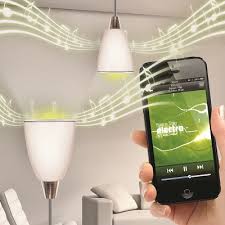 – Ecosystem combining your stereo with its lights for better sound in sync
– Music from your smartphone/tablet, NAS and computers …
– Supported audio formats: MP3, AAC, WAV, PCM, FLAC
– Web radio through your home broadband Internet connection
– Synchronized sound zones with several StriimLIGHT Wi-Fi speakers or others Awox Striim products
 – Remote control for light on/off/dimming, sound volume/mute
– Bulb: LED, 110-240v, fits standard E26 or E27 light socket
– Speaker: 10 Watt, 200Hz-20KHz
– Download free AwoX StriimCONTROL app from Google Play Store or App Store, also available for PC and Mac.
– Your favorites media accessible via preset buttons on RCU
– Works even when your phone is switched off
– Range extender function to repeat Wi-Fi signal for better range and wireless use around the house…Music all around the house. Literally!
 AwoX Striim audio products can be used together to create a synchronized sound system – an AwoX EcoSoundSystem – throughout your home. The free AwoX StriimCONTROL app for smartphones and tablets enables you to play music to all your AwoX StriimLIGHT Wi-Fi, StriimLINK, and StriimSOUND products, but also to create zones that include several of these different products together.
Like having speakers in every room, playing right and left channels of all your music, but without having to run speaker cable everywhere. Put a pair of StriimLIGHT Wi-Fi light bulbs in the kitchen, a StriimSOUND out on the deck, and a StriimLINK on your home stereo.
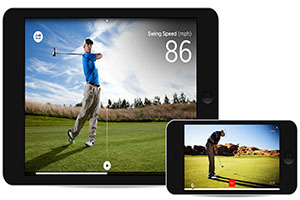
 The best thing, there’s no need to alter your natural swing or putting stroke, and there are no power buttons or controls to get in your way. The Blast precision motion sensor is able to figure it all out for you. It knows when you’re moving and responds quickly, dynamically powers-up the sensor and engages the patented motion detection algorithms to capture your important 3D action metrics in real-time.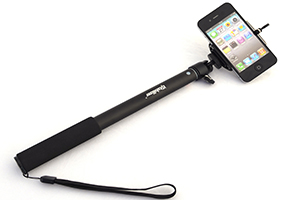
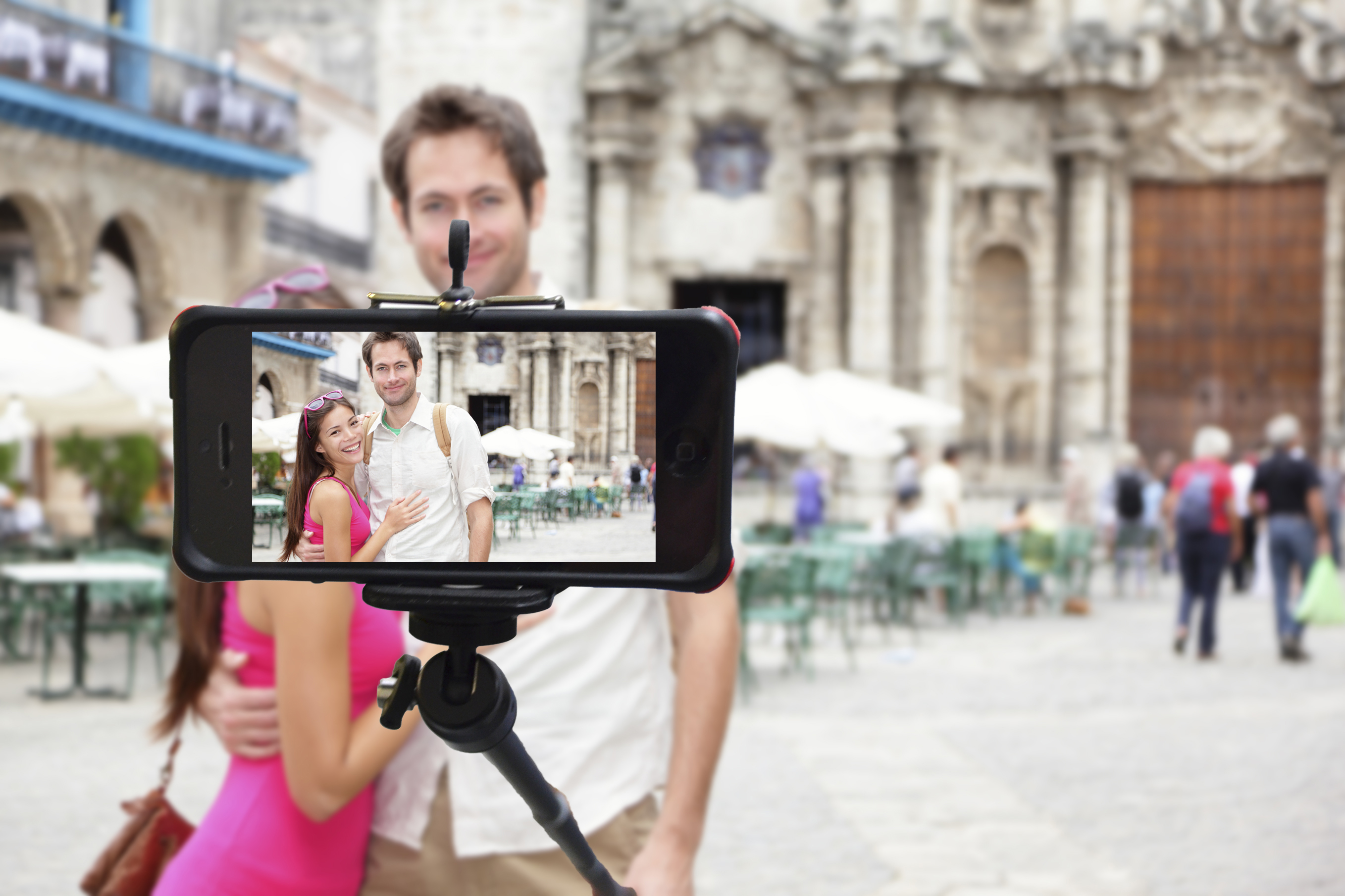
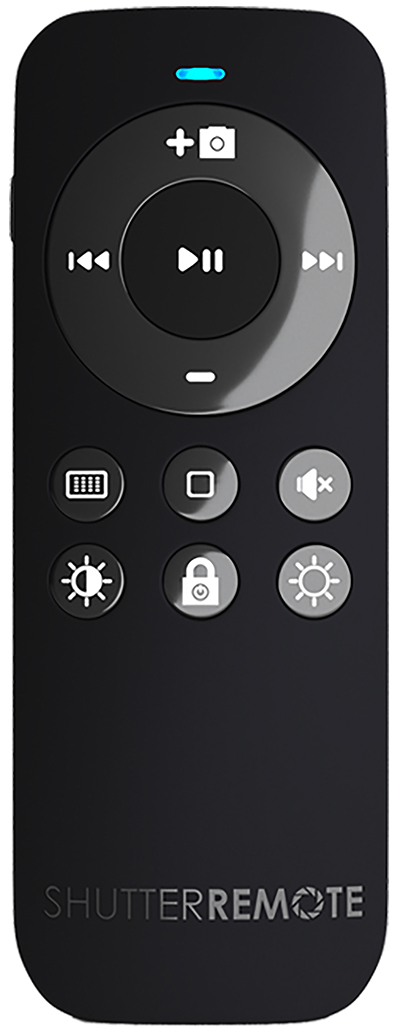 The iStablizer works magnificently when going on vacation and it keeps you from constantly asking people to take a photo of you. Now, you don’t have to always be the person behind the camera, but, rather can be included in the photos, too! MSRP: $34.95

 How did it all get started? Well, creator Mary Whitworth, a pilot, who loves playing golf as much as she does flying, came up with this concept. After taking over 500,000 aerial photos for almost 28 years and logging over 10,000 hours in helicopters and airplanes, she took her love for flying and golf one step higher (pardon the pun).




 Imani stated that one of the reasons she loves playing the game of golf is because it teaches her how to handle herself while off the golf course: it teaches self-control. In turn, she plays every day during the high school golf season, but out-of-season, she said that, “I probably play about 2-3 times a week, between the driving range and being on the course.”
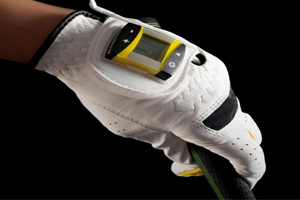
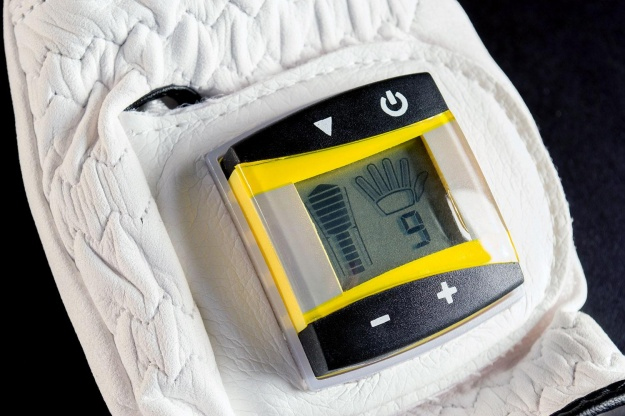
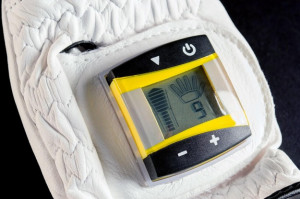 You could also go as far as to say the glove works as a Personal Golf Trainer, helping you to avoid bad habits.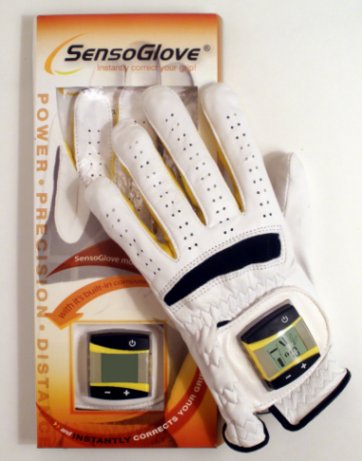



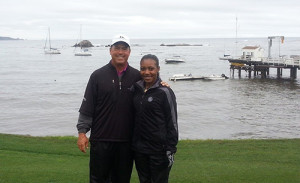 Micaa’ is driven by competition and this past September, competed at the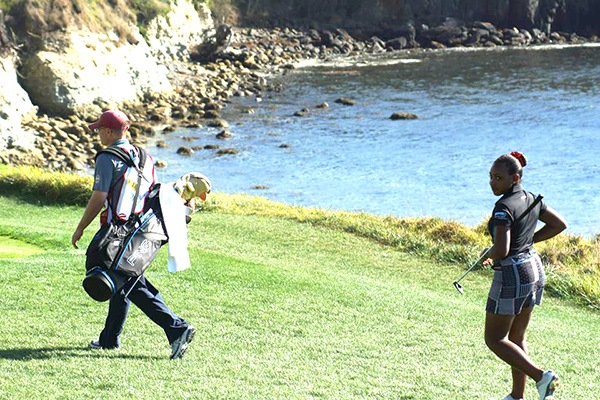
 Micaa’ over the course of this past summer, has been gaining lots of exposure for her skills. An article detailing her achievements appeared in the Capital Gazette, a local Maryland newspaper, showcasing her awesome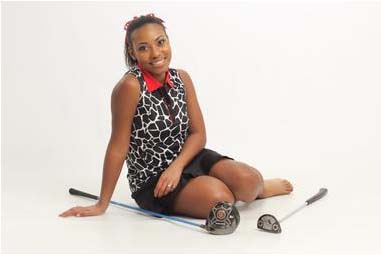
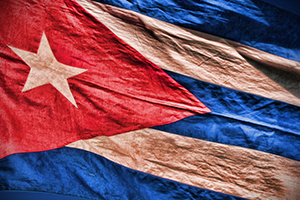
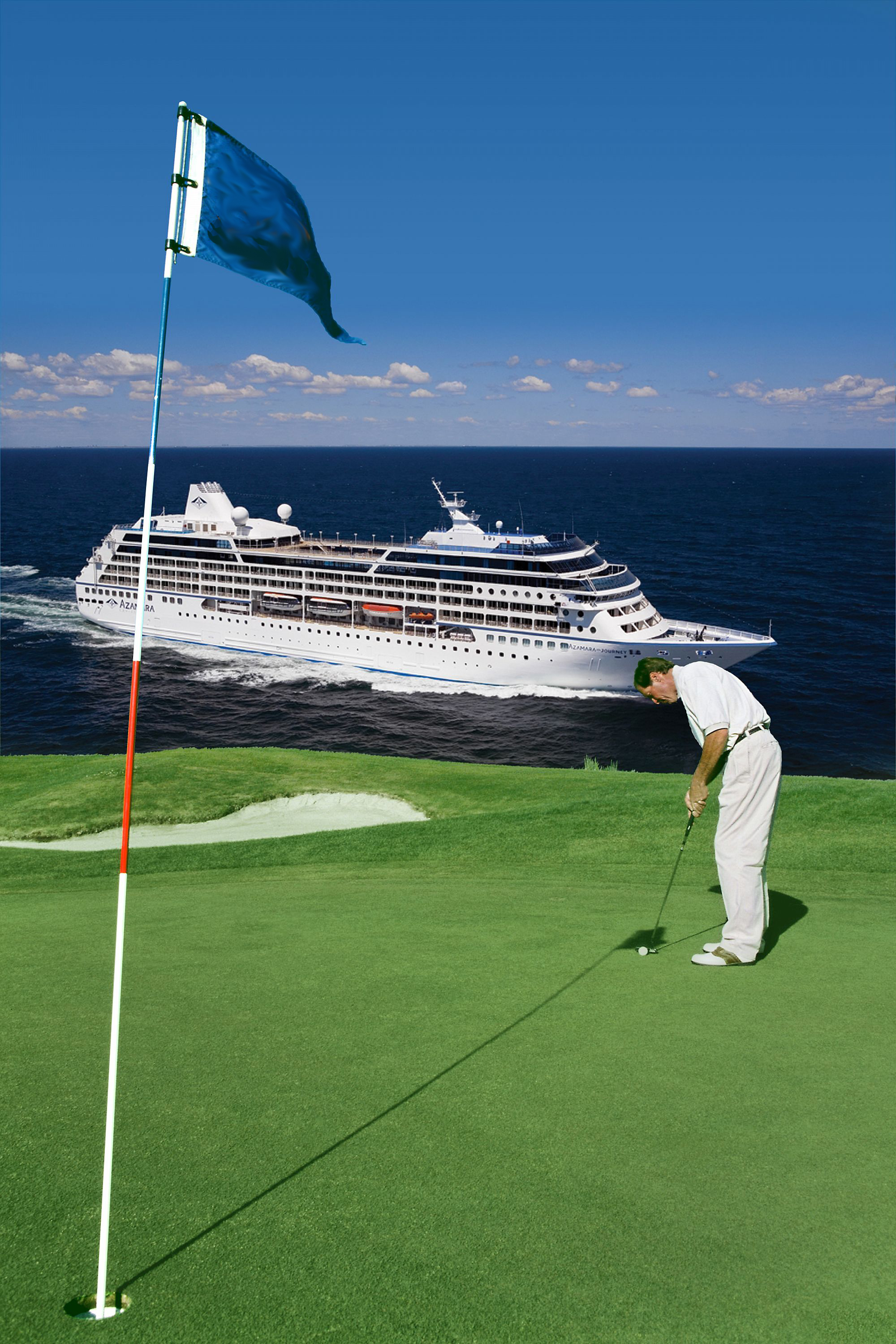
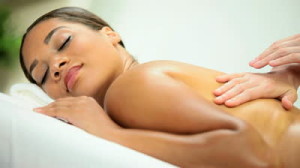 We especially enjoyed the Metropolitan Show Room where live entertainment featured spectacular dance shows, floor-to-ceiling ribbon acrobatics and humorous comedy. The Emporium offered lots of duty free souvenirs, perfumes, clothing, liquor, cigarettes and the such. The Travel Value Shop offered daily discounts on shirts, handbags, sandals and more great vacation gear. Once the sun was up, a long dip in the ship’s swimming pool made for a great cooling off. The jacuzzi stayed full for relaxing souls and the fitness center helped keep everyone ready for the next shore excursion trek. An on-board beauty salon was perfect for preparing for an evening of elegance and appointments were easily had, along with a variety of spa services and massages as terrific prices. Most of all, the ship was fully air-conditioned and used stabilizers to keep the rocking to a minimum. There was access to telephones, fax, satellite telephone and most importantly a physician was on board at all times.
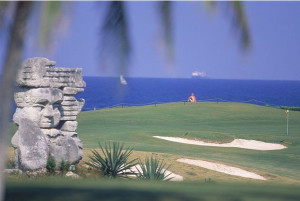
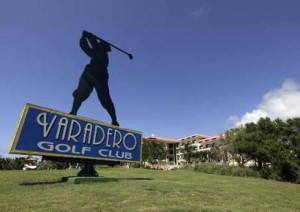 Located just 2-hours outside of Havana, a deluxe shuttle van carried golfers, bags and clubs on a marvelous journey with exceptional landscape views. An onboard tour guide highlighted features along and way and familiarized all on local customs, Afro-Cuban religions, native flora, industry, and other great information. Varadero, the first 18 hole Golf Course in Cuba, was designed by architect Les Furber. Once at the course, the 18 hole, 72 par did not disappoint with its 6269 yards.
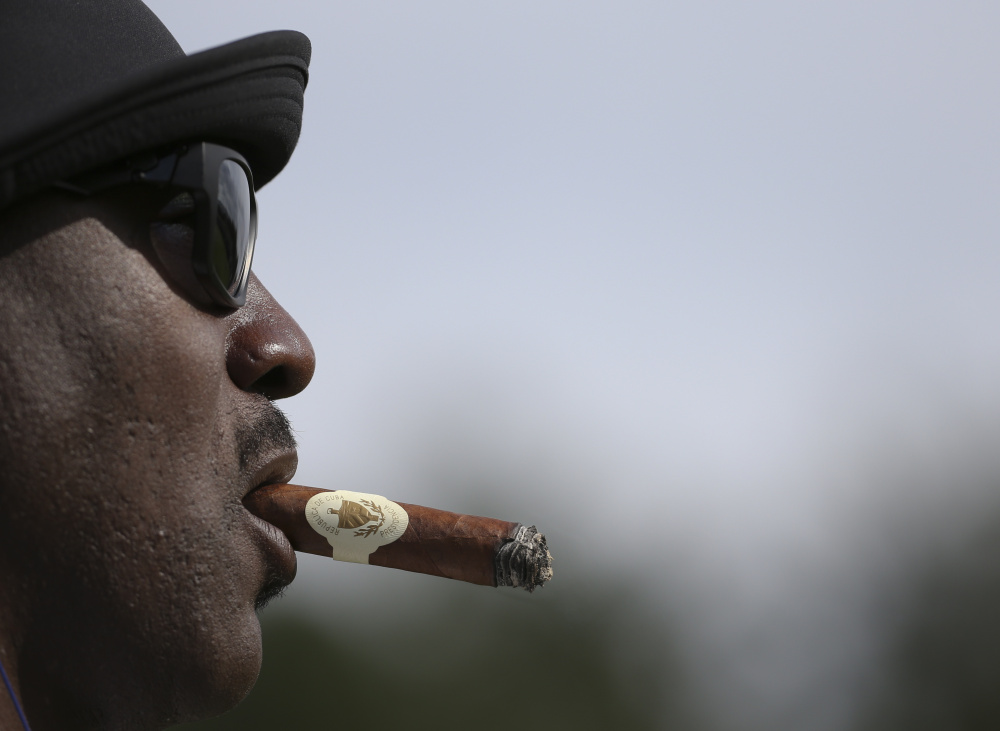
 Tours took travelers to the colonial village of Cienfuegos and Trinidad, beach barbecue in the sunshine at Punta Frances on the Isle of Youth, live burlesque dinner show at the famous Tropicana outdoor night club, stunning countryside visit to Holguin, and a final stop in Santiago De Cuba, the second largest city in Cuba, home of legendary run, exotic fruits, sugar, rum, tobacco, and cigars, the most important urban area outside of Havana.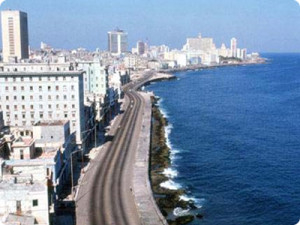
 Most people today remember Cuba during 1956, when Fidel Castro Ruz launched a revolution from his camp in the Sierra Maestra Mountains. The U.S. ended military aid to Cuba in 1958. In 1961, a U.S.-backed group of Cuban exiles invaded Cuba. Planned during the Eisenhower administration, the invasion was given the go-ahead by President John Kennedy, although he refused to give U.S. air support. The landing at the Bay of Pigs (April 17, 1961) was a humiliation. The invaders did not receive popular Cuban support and were easily repulsed by the Cuban military.
 The Cuban Missile Crisis of 1962 resulted from a Soviet attempt to install medium-range missiles in Cuba—capable of striking targets in the United States with nuclear warheads. President Kennedy promised a U.S. blockade of Cuba to stop the missile delivery. Six days later, Soviet premier Nikita Khrushchev ordered the missile sites dismantled and returned to the USSR in return for a U.S. pledge not to attack Cuba.