
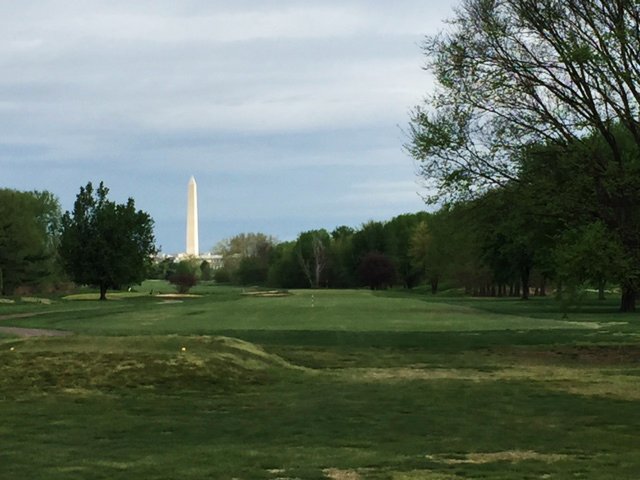
East Potomac Golf Links in Washington, D.C., is facing an uncertain future as a legal dispute over its proposed closure and redevelopment places one of the nation’s historic public golf facilities in the spotlight. While the course is recognized for its scenic views of the Potomac River, located just two miles from the White House, and is Washington DC’s busiest golf course, its significance reaches far beyond recreation. East Potomac holds an important place in African American golf history and the struggle to eliminate racial segregation from public golf courses.
The first 18 holes at East Potomac Park Golf Course were constructed between 1918 and 1923 and designed by renowned golfer and architect Walter J. Travis. The course was originally operated under segregated policies that restricted African Americans’ access. According to National Park Service historical documentation, beginning in 1921, Black golfers were permitted to play during limited hours on one day each week, but they could not play alongside white golfers.
That policy became a target of civil rights activism.
On June 29, 1941, three African American golfers—Asa Williams, George Williams and Cecil R. Shamwell—members of the Royal Golf Club, challenged the discriminatory restrictions by attempting to play at East Potomac. After initially being turned away, they returned with additional supporters. With police officers escorting them, the golfers ultimately completed their round.
Their actions helped bring national attention to racial discrimination in federally operated recreational facilities. Following protests and acts of civil disobedience during June and July 1941, Secretary of the Interior Harold Ickes prohibited racial discrimination at federally owned golf courses. The National Park Service identifies the East Potomac protest as a significant turning point in the integration of public recreation facilities.
The struggle was also connected to Langston Golf Course, established in Northeast Washington between 1935 and 1939 to provide golfing opportunities for Black residents who had been excluded from other facilities. Langston became an important gathering place for African American golfers and hosted celebrated players, including Charlie Sifford and Lee Elder. Its history, along with that of East Potomac and Rock Creek Park, documents the role golf courses played in Washington’s civil rights movement.
The National Park Service has recognized the importance of public golf access for generations. In February 1913, President William Howard Taft expressed his support for public recreation, stating, “I favor a freer use of public parks by the people than we have had in the past.” His remarks included support for making golf available in public parks.
Today, East Potomac is again at the center of a major public debate. The Trump administration has proposed transforming the property into a championship-style golf destination designed by architect Tom Fazio. The proposed redevelopment has raised concerns among preservation advocates and golfers about public access, affordability, environmental protections and the future of the historic landscape.
The controversy intensified as the administration moved toward closing the facility, citing safety concerns involving the seawall and changes in its management arrangements. Preservation groups and local golfers challenged the planned action in federal court, arguing that required environmental and historic-preservation reviews must be completed before irreversible changes occur.
Federal District Judge Ana C. Reyes heard arguments concerning an emergency request to prevent the closure. During the November 13 hearing, she questioned whether the stated safety concerns justified shutting down the entire property while golfers were still using the course. A final decision on the emergency request was pending as of November 14.
For African American golfers, East Potomac represents more than a place to play. It is part of a history shaped by individuals who challenged discrimination and helped open public golf to future generations. Decisions about its future should recognize that legacy alongside the needs of today’s golfers and the broader Washington community.