
Many golfers step onto the tee believing that a lack of flexibility or the inevitable march of time is what’s stalling their game. They spend hours stretching their hamstrings or chasing a “bigger turn,” only to find that their lower back feels tighter by the 14th hole and their power is zapping away.
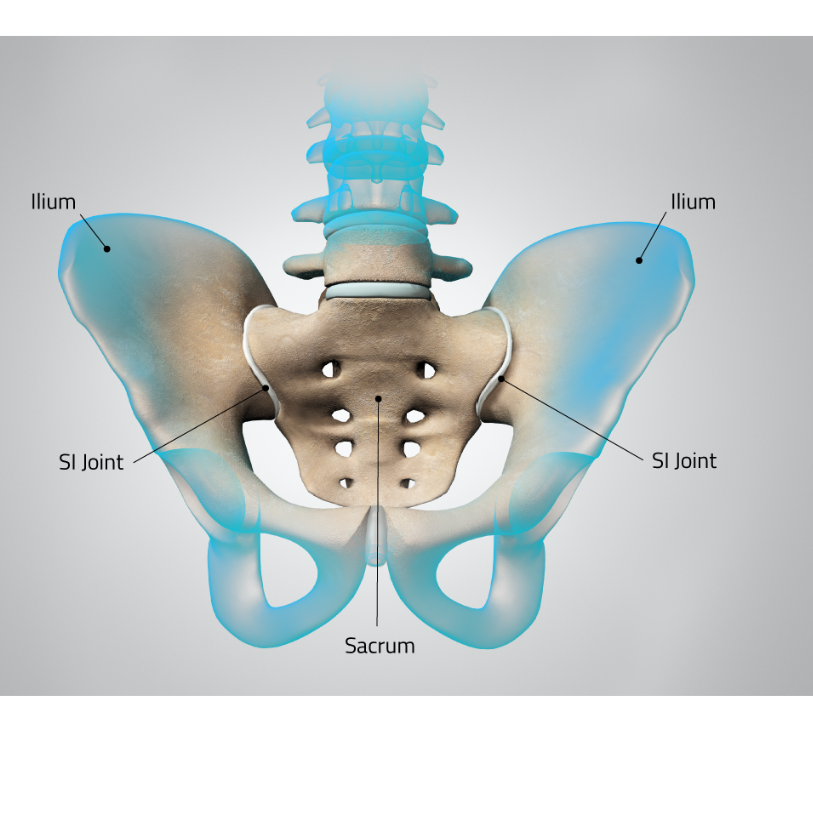
In many cases, the culprit isn’t a lack of reach, it’s a lack of stability at the foundation. Specifically, the issue often begins at the sacroiliac (SI) joint.
The Great Connector
The SI joint connects the spine to the pelvis. It is the primary gateway for force transfer; it’s how the power you generate from the ground moves up through your torso and into the clubhead. When this joint is irritated, unstable, or restricted, your body’s “protective software” kicks in. To prevent injury, your nervous system creates compensations that manifest as common swing flaws:
- Early Extension: The “goat humping” move where the hips move toward the ball.
- Swaying: Sliding off the ball because the pelvis can’t “load” properly.
- Power Leaks: An inability to push off the ground efficiently.
- Late-Round Fatigue: A dull ache in the lower back that worsens as the round progresses.
The Stability Misconception
One of the biggest traps in golf fitness is the “stretch-first” mentality. While mobility is vital, the SI joint thrives on compression and control. If the pelvis cannot stabilize, the body won’t allow the upper back (thoracic spine) to rotate fully. The hands and lower back then try to “save” the swing, leading to a vicious cycle of inflammation and inconsistency.
To regain a fluid swing, the focus must shift toward three pillars: pelvic stability, glute activation, and core control during rotation. By teaching the body to anchor the pelvis, you unlock the freedom to rotate above it.
3 Essential Drills for SI Stability
1. Glute Bridge March
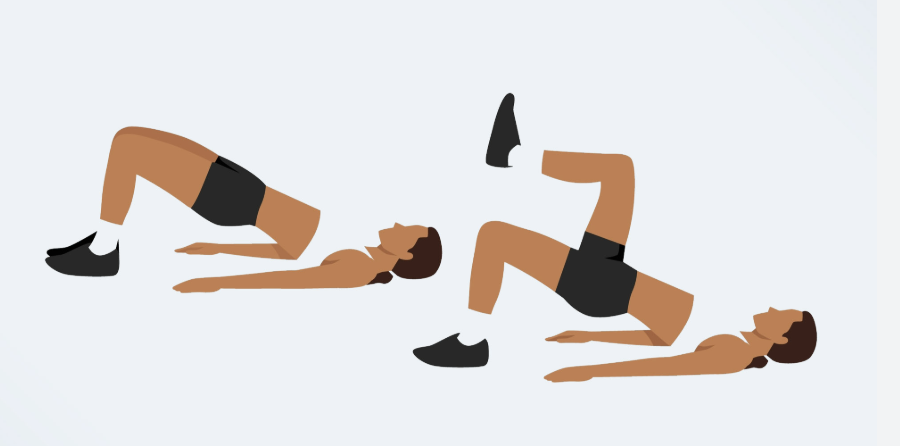
- The Goal: Activate the primary stabilizers of the pelvis.
- How-To: Lie on your back with knees bent and lift your hips into a bridge. Slowly lift one knee toward your chest, then alternate.
- The Key: Keep your hip bones level. Imagine a bowl of water sitting on your belt buckle—don’t let it spill.
- Volume: 2–3 sets of 8 reps per side.
Final Thought
You don’t always need to swing harder to find more distance. Often, you simply need to move better. When you prioritize stability, you stop fighting your own anatomy. A stable pelvis creates an efficient swing, and an efficient swing creates power without the price of pain.
By Coach Tony Bryan CEO, Kairi Inspired LLC Elite Golf Performance Specialist