
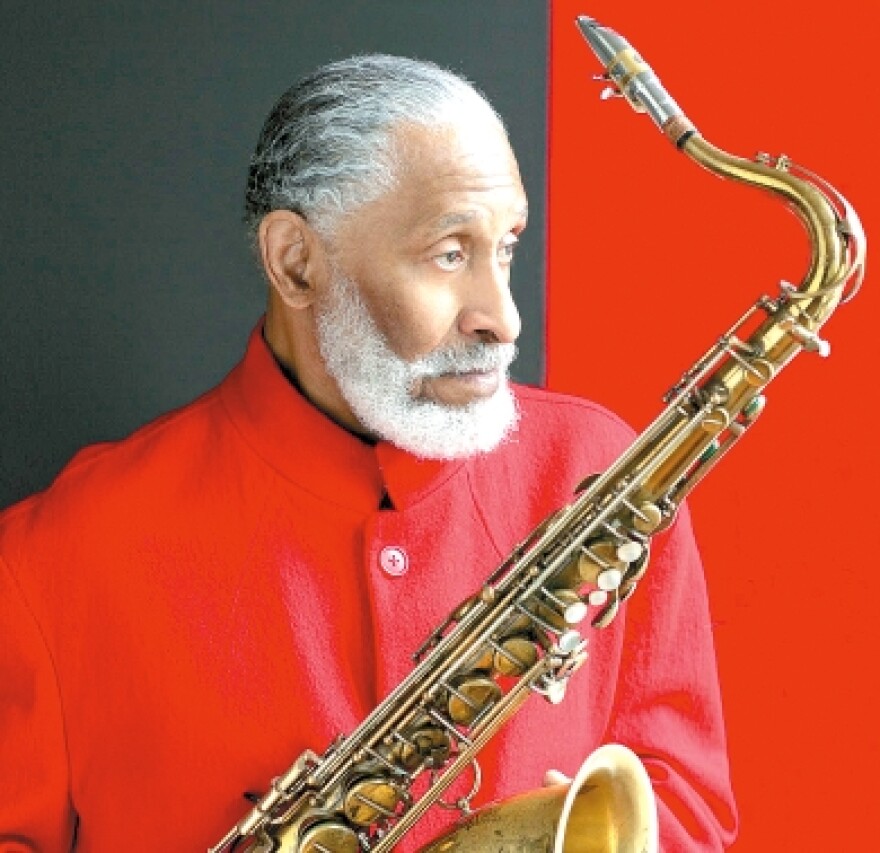
The world of music is mourning the loss of legendary jazz saxophonist Sonny Rollins, who died on May 25, 2026, at his home in Woodstock, New York, at the age of 95. Widely regarded as one of the greatest improvisers in jazz history, Rollins leaves behind a towering legacy that shaped the sound and direction of modern jazz for more than six decades.
Known globally as the “Saxophone Colossus,” Rollins became one of the defining voices of postwar jazz through his bold improvisation, powerful tone, and fearless creativity. His influence extended across generations of musicians and listeners, making him one of the most respected and celebrated artists in the history of American music.
Born Theodore Walter Rollins on September 7, 1930, in Harlem, New York, Rollins was raised in a culturally rich environment deeply connected to music and social consciousness. Inspired by jazz pioneers such as Louis Jordan and Coleman Hawkins, he began playing saxophone as a teenager and quickly emerged as a prodigious talent.
By the late 1940s and early 1950s, Rollins was performing alongside many of the greatest names in jazz, including Miles Davis, Thelonious Monk, Charlie Parker, and Max Roach. His groundbreaking recordings, including “Saxophone Colossus,” “Tenor Madness,” and “The Bridge,” became landmarks of the hard bop era and solidified his status as one of jazz’s true innovators.
Among his most beloved compositions were “St. Thomas,” “Oleo,” and “Doxy,” tunes that remain staples in jazz repertoire around the world. Rollins was admired not only for his technical brilliance but also for his relentless pursuit of artistic growth and self-improvement.
One of the most famous chapters of his life came in 1959 when, despite already being internationally acclaimed, Rollins stepped away from performing to intensely practice and reevaluate his artistry. He famously spent hours practicing alone on New York City’s Williamsburg Bridge, an experience that inspired his acclaimed 1962 comeback album, “The Bridge.”
Throughout his career, Rollins earned countless honors, including Grammy Awards, a Grammy Lifetime Achievement Award, the National Medal of Arts, and Kennedy Center Honors. Even after retiring from live performance due to pulmonary fibrosis, he remained a revered figure whose recordings continued to inspire musicians worldwide.
Beyond his musical achievements, Rollins was respected for his humility, intellect, and spiritual outlook on life. He often spoke about music as a lifelong journey of discovery rather than perfection.
Sonny Rollins is survived by family members, close friends, fellow musicians, and generations of admirers who viewed him as one of the true masters of jazz. His sound, spirit, and contributions to music will endure for generations to come.