

Rogers Park Golf Course sits on the banks of the Hillsborough River in Tampa, Florida, and carries a history that intersects sport, community and civil rights. Located at 4201 N Dale Mabry Hwy, the land that became Rogers Park was donated in the 1940s by Garfield Devoe “G.D.” Rogers for use as a public park; a group of African American caddies from nearby Palma Ceia Country Club convinced city officials to allow them to build a course, and by 1952 a nine-hole layout opened under the leadership of Willie Black, who became the park’s first head professional. Within two years the course expanded to 18 holes and quickly became a destination for Black golfers across the nation.
Built largely by hand — Black organized volunteers and caddies who hauled dirt and shaped fairways — Rogers Park was one of the only places in mid-century Florida where Black players could learn and compete during segregation. The course hosted United Golf Association (UGA) events and was part of what players of the era called the “Chitlin’ Circuit,” a crucial competitive circuit for African American golfers excluded from most white clubs and tournaments. Legends and touring pros, including Charlie Sifford and others, spent winters at Rogers Park, drawn by its welcoming atmosphere and competitive fields.

The facility has evolved while retaining its community focus. Management shifted to the Tampa Sports Authority in the 1970s and the course underwent a significant renovation designed by Ron Garl in 1976; later upgrades and maintenance programs continued into the 2000s.
Today Rogers Park is an 18-hole, par-71 public course that offers five sets of tees with yardages ranging roughly from 5,000 to about 6,800 yards across some sources, and sits on about 160 acres surrounded on three sides by the river. The course plays 30,000 rounds of golf and generates over $800,000 in revenue annually; with a staff of 35 employees and volunteers, according to the website. The course also hosts youth development programs such as First Tee of Tampa Bay, continuing its legacy of introducing new generations to golf.
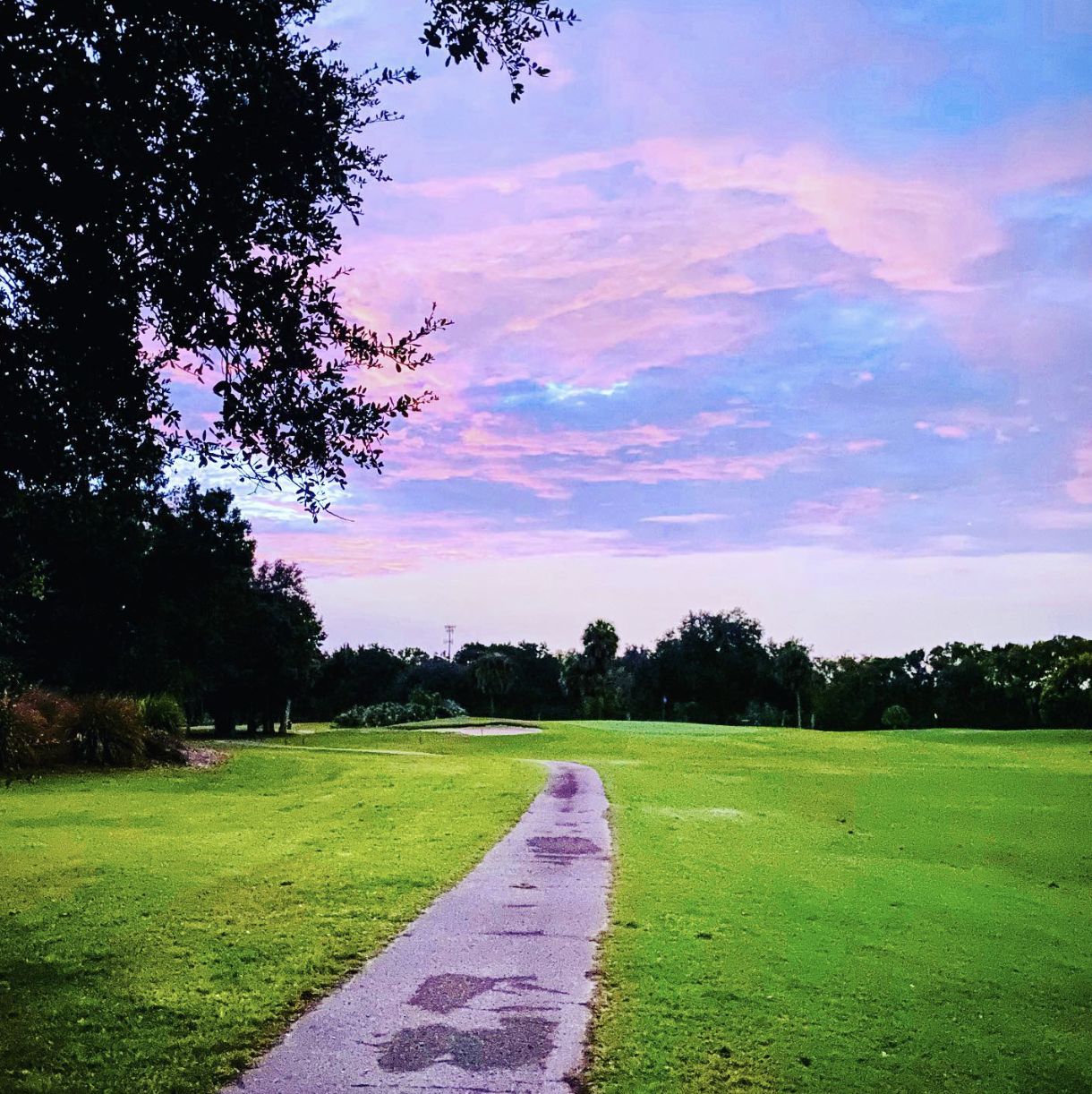
Rogers Park’s historic importance was formally recognized in 2014 when the original Rogers Park Golf Course site was listed on the National Register of Historic Places — a designation that acknowledges both the course’s cultural significance and its role in African-American recreational life in Tampa.
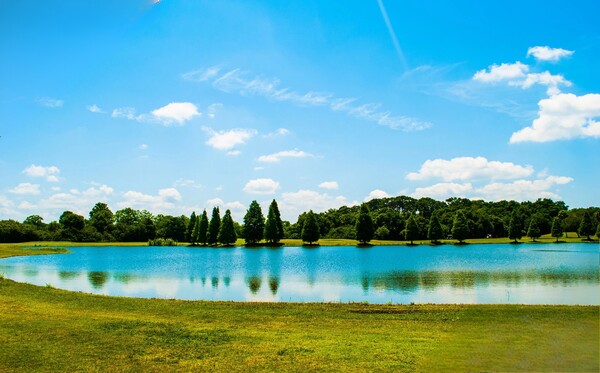
Local residents and historians still speak of what Rogers Park provided beyond sport. As one longtime participant observed, the park offered “some place to go, something to do, friends and camaraderie,” a reminder that the course functioned as a civic gathering place as well as a sporting venue. Another commentator reflected on the site’s broader symbolism: “When you cross those tracks, that’s the way golf should look and feel. That’s the way America should look and feel.”
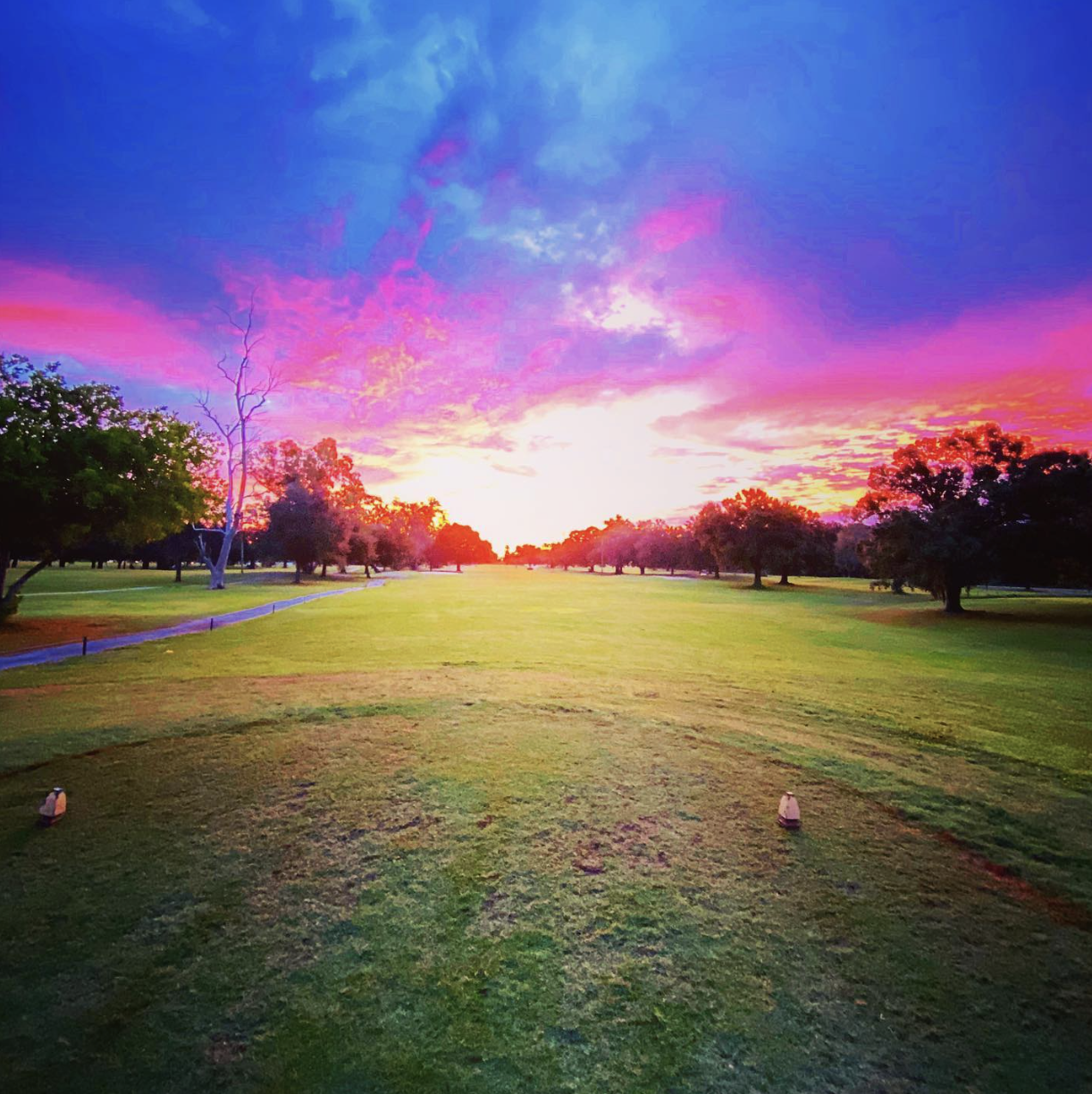
Today Rogers Park remains a playable, public course and a living memorial to the community effort that built it. Its fairways and greens continue to welcome players of all backgrounds while preserving stories of resilience and inclusion that helped reshape golf in Florida and beyond. To learn more about Rogers Park Golf Course, rates, events, or to book a tee time visit https://rogersparkgolf.net.