
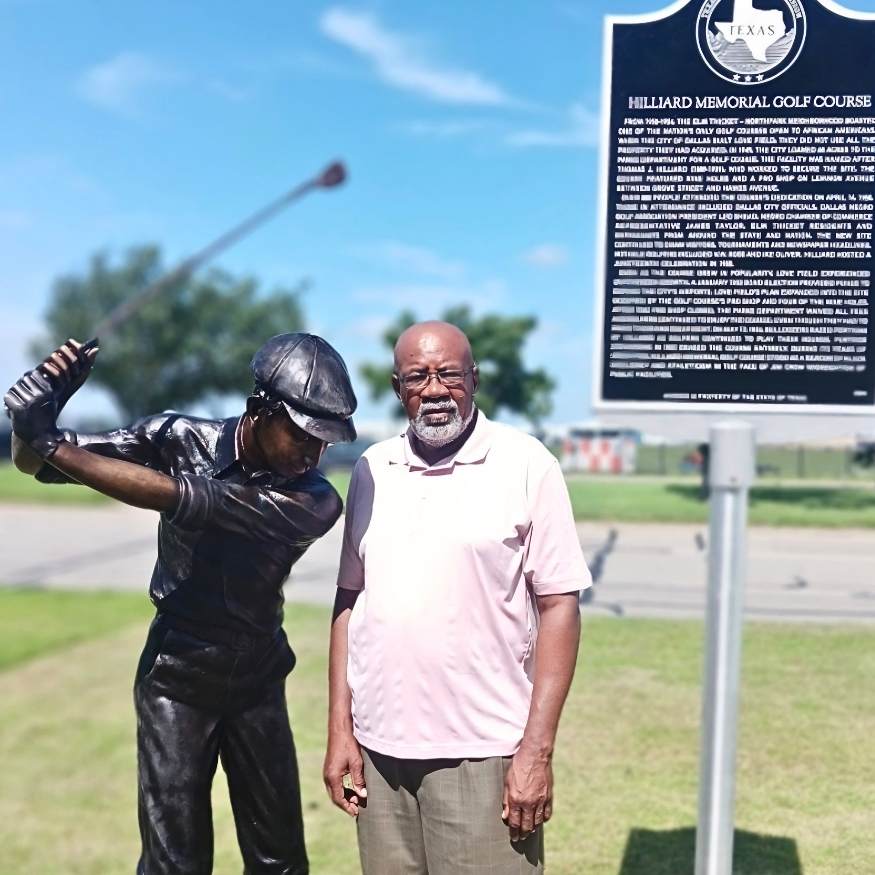
On June 13, 2026, at 10:00 a.m., community members, golf enthusiasts, historians, civic leaders, and descendants of Dallas golf pioneers gathered to celebrate an important chapter in American golf history. The Historic Hilliard Golf Course Dedication Ceremony recognized a once-forgotten municipal golf course that stood as a symbol of determination, opportunity, and resilience during the era of segregation.
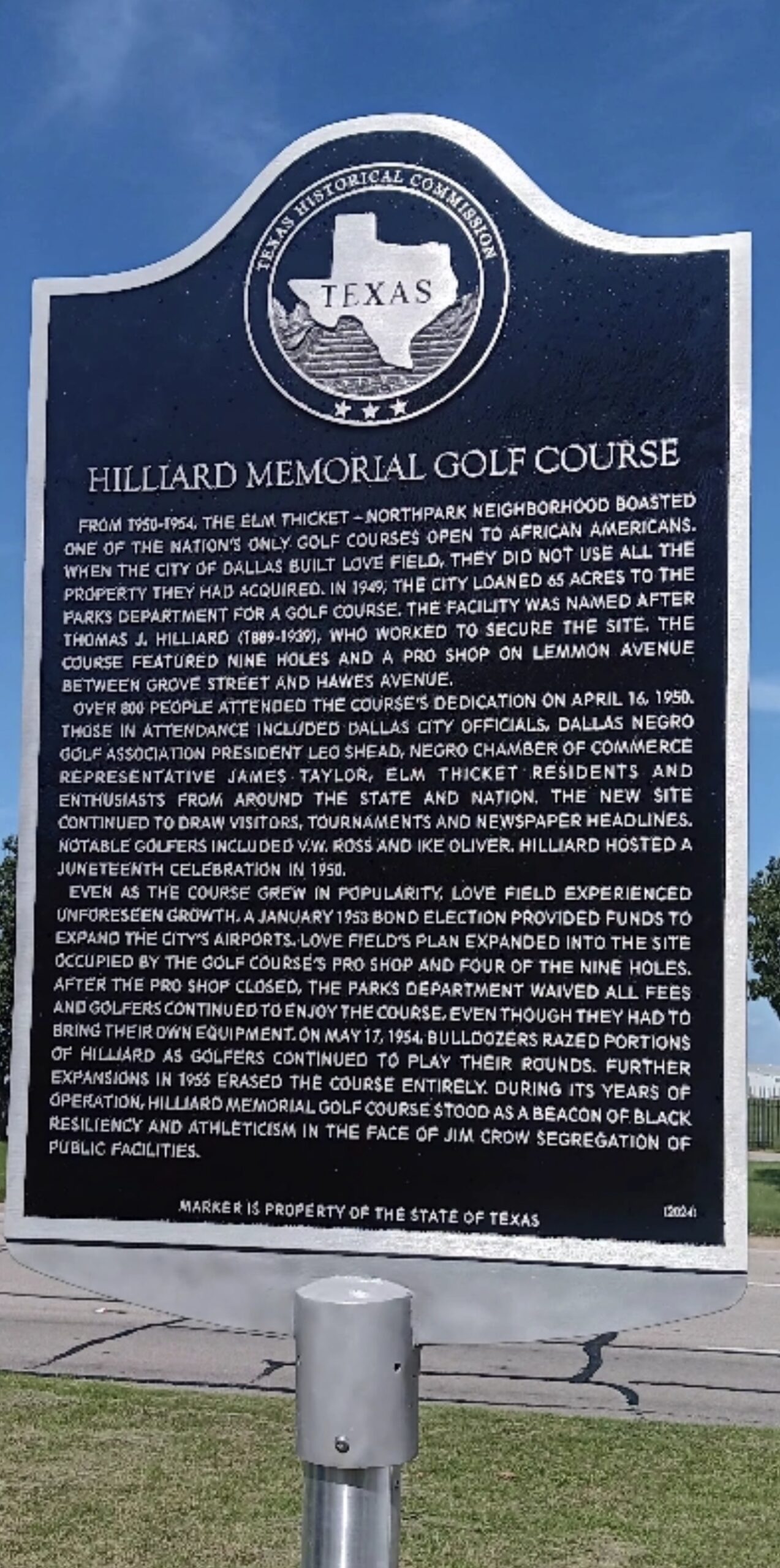
Held at Hilliard Golf Course, formerly located in the 6700 block of Mabel Avenue, near Dallas Love Field Airport, in the Elm Thicket community, the ceremony unveiled a historical marker commemorating the legacy of one of the first municipal golf courses created specifically for African Americans in the United States and the first of its kind in the South. The event was more than a dedication. It was an act of remembrance.

A Landmark Born During Segregation
In 1950, racial segregation limited where African Americans could live, work, and recreate throughout much of the South. Golf was no exception. Dallas maintained municipal golf courses, but Black golfers faced restricted access and exclusion from many public facilities. In response to growing demand from Black golfers and advocacy by the Dallas Negro Golf Association, the City of Dallas established what became known as Hilliard Golf Course.
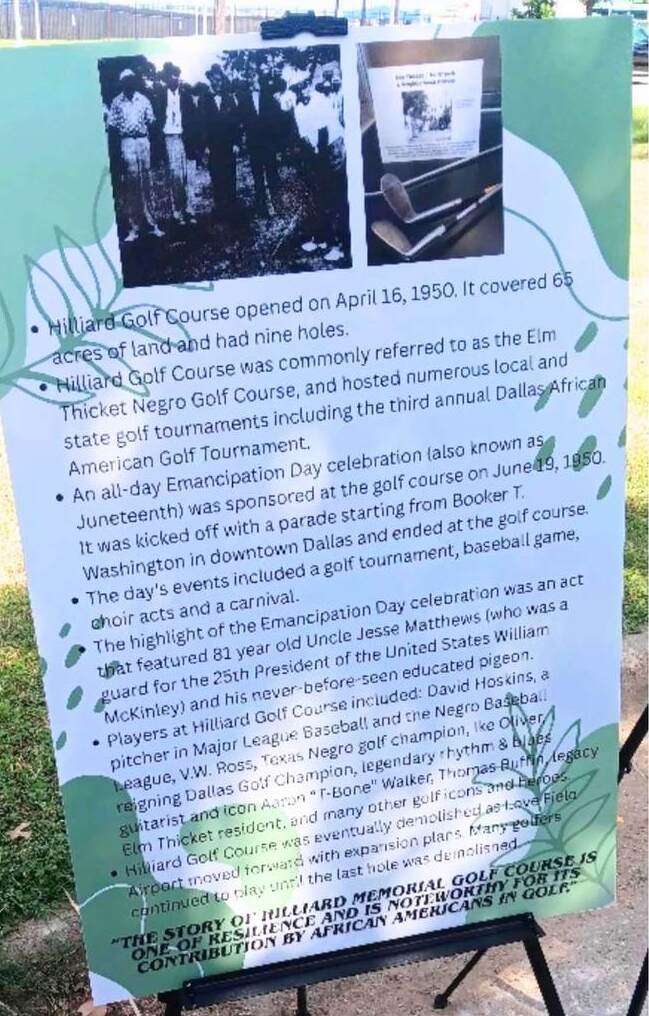
The nine-hole course officially opened in 1950 and was widely heralded as the first municipal golf course in the South built specifically for African Americans. At the dedication ceremony, city officials joined leaders from the Black community to celebrate a milestone that represented both progress and the persistence of those who fought for equal recreational opportunities.
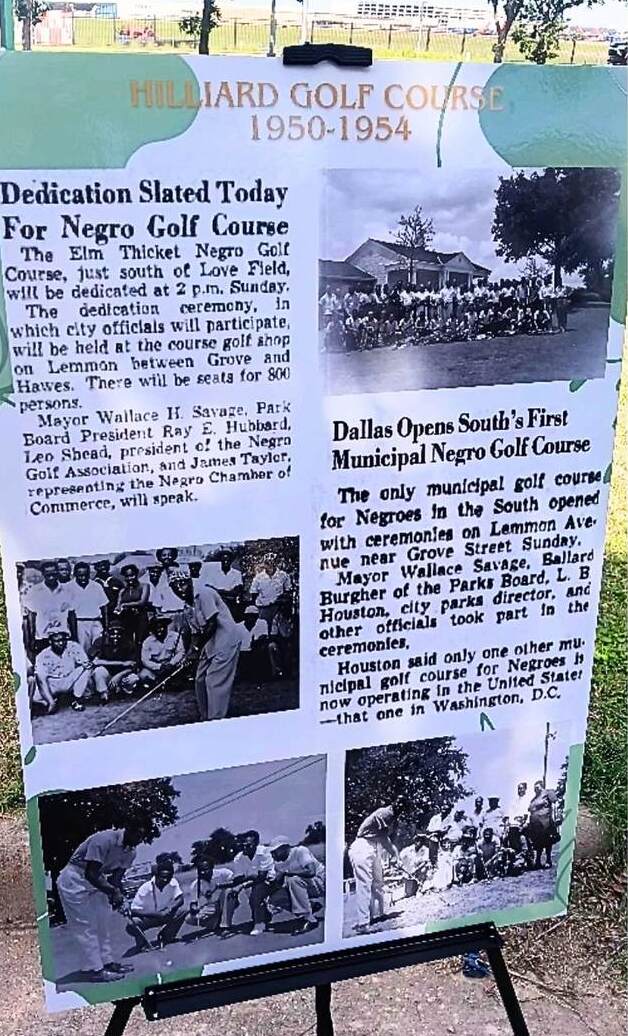
Newspaper accounts from the time described Hilliard as “the only municipal golf course for Negroes in the South,” noting that only one comparable facility existed elsewhere in the nation—in Washington, D.C.
The Dallas Negro Golf Association’s Vision
The establishment of Hilliard Golf Course was made possible through the efforts of the Dallas Negro Golf Association and other community leaders who understood that golf represented more than leisure.
The course became:
- A place where Black golfers could compete without discrimination;
- A gathering place for families and the Elm Thicket community;
- A training ground for aspiring players;
- A symbol of dignity during an era of legalized segregation.
Among those involved in the original dedication were civic leaders, including Dallas Mayor Wallace Savage, Park Board officials, representatives of the Dallas Negro Golf Association and Louis Stanfield, president, Leonard Jones Golf Association (formerly the Cedar Crest Men’s Golf Association).
For African Americans who loved the game, Hilliard provided something many had never experienced before: a municipal golf facility they could truly call their own.
A Short Life, But a Lasting Impact
Although Hilliard’s influence was profound, its existence proved brief. The course occupied approximately 65 acres of city-owned property near Love Field Airport. Originally envisioned as a temporary solution, the land had already been earmarked for future airport expansion.
By 1954, the City of Dallas reclaimed the property as Love Field expanded. The nine-hole course was reduced and ultimately closed. Around the same time, Dallas desegregated its municipal golf facilities, allowing African Americans to play at courses previously restricted to whites. While Hilliard disappeared physically from the landscape, its significance endured through photographs, newspaper archives, family stories, and the memories of those who played there.
The June 13, 2026 Dedication
Seventy-six years after Hilliard first opened, the June 13, 2026 dedication restored public recognition to this overlooked piece of Dallas history.
The significance of Hilliard Golf Course pays tribute in honoring the Dallas golf pioneers whose perseverance helped shape the city’s Black golf community, and reflections on the important role Hilliard played in expanding access to the game during segregation. Attendees also participated in a community celebration that highlighted the educational value of preserving local history while recognizing the lasting contributions of the Elm Thicket neighborhood and the generations of residents who helped sustain its rich cultural legacy.
Promotional materials for the event invited attendees to honor “the legacy of one of the first municipal golf courses for African Americans in the United States, a symbol of perseverance and Black excellence in Dallas history.”
The historical marker now ensures that future generations understand the significance of what once stood on that site.
More Than Golf
The story of Hilliard Golf Course is not simply about fairways and greens. It is about people who demanded access when doors were closed. It is about preserving community memory before it disappears. It is about recognizing that the struggle for equality extended beyond schools, buses, and lunch counters into parks, playgrounds, and golf courses.
For many years, the contributions of Black golfers in Dallas remained absent from mainstream historical narratives. The 2026 dedication corrected that omission by elevating the stories of the men and women who built a thriving golf culture despite systemic barriers.
Their legacy helped pave the way for future generations of African American golfers, from local amateurs to national pioneers who transformed the game.
Preserving History for Future Generations
As attendees gathered beneath the Texas sky on June 13, they celebrated more than the unveiling of a marker. They reaffirmed a commitment to ensuring that important stories are not lost to time.
The event’s theme captured that mission perfectly:
“Support History. Inspire the Future.”
Hilliard Golf Course existed for only four years, from 1950 to 1954, but its impact stretched far beyond those years. It represented hope during segregation, opportunity amid exclusion, and community pride in the face of adversity.
Today, thanks to the dedication ceremony and the efforts of historians, community advocates, and descendants of Dallas golf pioneers, the legacy of Hilliard Golf Course has reclaimed its rightful place in the story of American golf.
As visitors pause before the historical marker near the former course site, they are reminded that history is not merely about preserving places. It is about honoring the people whose courage and perseverance changed the landscape of their communities—and, ultimately, the game itself. “Support History. Inspire the Future.”